

The Tour de France Femmes has reinforced its status as one of cycling’s essential summer races after nine days of constant movement, rivalry and public interest.
The race has reached its fifth year after a long wait for ASO to create a modern women’s Tour de France. Its latest edition offered exactly the kind of racing that can turn a stage race into appointment viewing.
Across the nine stages, the leader’s jersey changed hands five times. Every stage carried consequence, and the overall contest stayed tight until the final day.
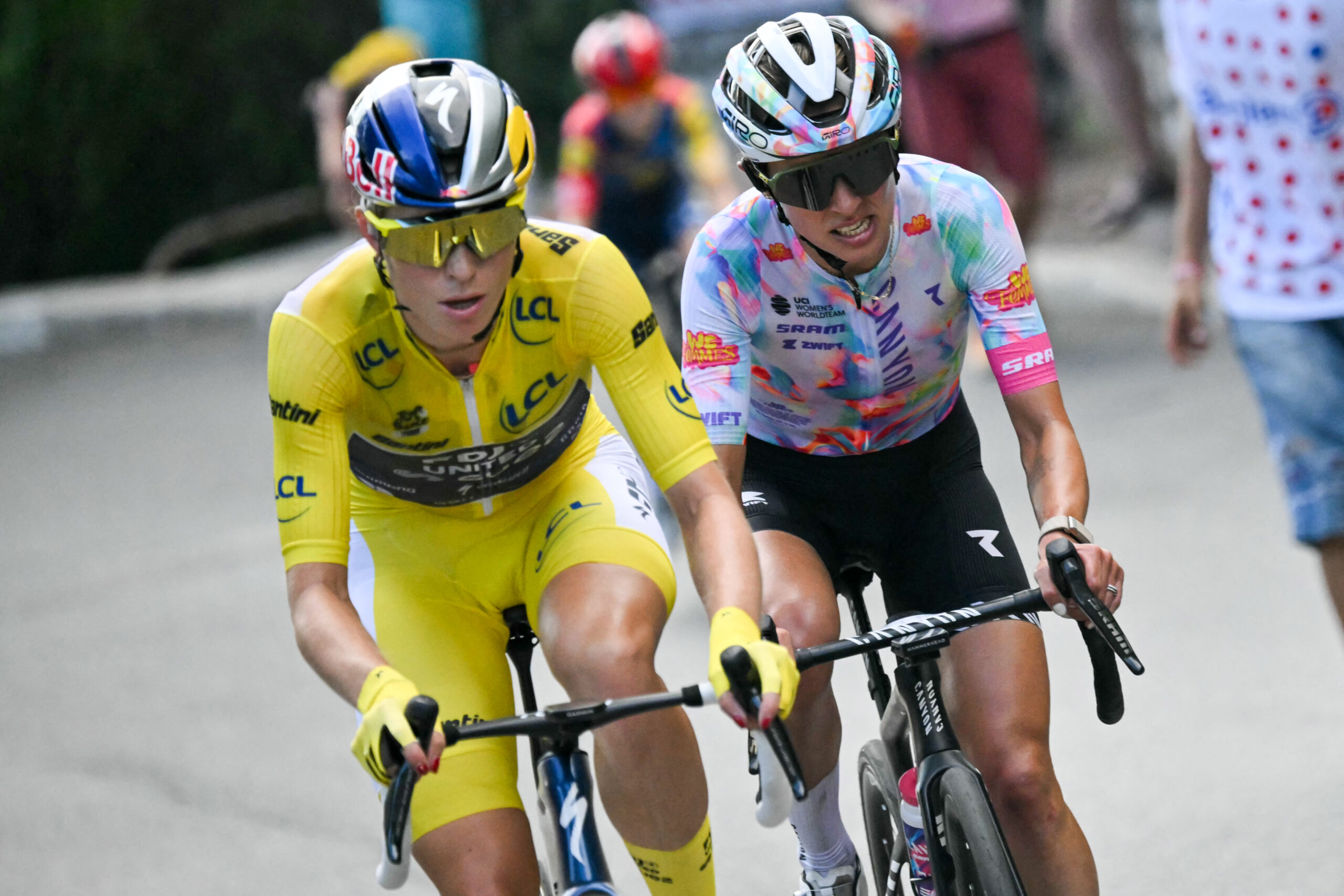
Demi Vollering of FDJ United-Suez won the race by one minute over Kasia Niewiadoma-Phinney of Canyon-SRAM. Yet that final margin only emerged late. The gap stood at eight seconds until Vollering’s last decisive attack on the final stage.
The Mont Ventoux stage stood out as the race’s defining day. It also marked another first for the event, alongside the race producing its first double winner.
Several other stages pushed close to that level of drama. The result was a compact, high-stakes race that rarely drifted.
Tour de France Femmes finds a powerful formula
The race now faces the kind of question that follows successful events. Some observers want a longer or harder Tour de France Femmes. Others already argue the route asks enough from the peloton.
This edition strengthened the case for the current format. Nine days gave the race room to develop, while keeping tension high from start to finish.
The event also still carries novelty. That freshness helps give it a spark sometimes missing from longer-established races.
The major storylines arrived naturally. The top riders fought for control, the yellow jersey changed shoulders repeatedly, and the final winner had to earn the result late.
A rivalry also sharpened after the end of stage eight. Vollering and Niewiadoma-Phinney emerged from the finale with tension between them, adding another layer to the race narrative.
That edge can help racing, when it remains focused on competition. The online abuse aimed at Célia Gery showed the darker side of heightened attention.
Still, the contest between leading riders gave the race another dimension. It helped make the final weekend feel like more than a time-gap calculation.
Public interest grows ahead of Leeds Grand Départ
The finale to stage nine in Nice also showed how the race now reaches beyond the roadside. In Bristol, a packed and warm pub drew a mixed crowd to watch the closing kilometres.
One young fan repeatedly urged Vollering on as the race reached its conclusion. Vollering delivered, sealing a victory that had remained uncertain until the final day.
That scene captured a growing audience for the women’s Tour. It also showed how the race can create a different atmosphere from the men’s event.
Broadcast access still has room to grow. Only three of the nine stages were shown in full, limiting how much of the race viewers could follow live.
Even so, the available coverage helped turn the final week into one of the season’s most absorbing stage-race stories.
The next major milestone for British fans comes in 2027. That edition will start in Leeds, with three stages on home soil.
The Grand Départ will also be broadcast live on free-to-air television in England. That should make the race easier to follow and easier to attend.
After a race decided by late attacks, shifting leadership and a landmark Ventoux stage, anticipation for that visit already feels justified.
The Tour de France Femmes no longer needs to prove that it belongs on the calendar. Its latest edition showed it can define the cycling summer on its own terms.
Related Cycle Nation stories
- Vollering Niewiadoma Rivalry Boils Over After Tour de France Femmes Flashpoint
- Demi Vollering becomes first two-time Tour de France Femmes winner
- Marlen Reusser crash costs Tour de France Femmes podium on final stage
- Vollering wins Tour Femmes stage 8 to take yellow in Nice
- FDJ backs Célia Gery after Tour Femmes clash with Niewiadoma