

Marion Rousse says the Tour de France Femmes must grow with care, despite its rapid rise in profile and audience.
The race director believes the event has already changed how the wider public views women’s cycling. Yet she warned against rushing toward a three-week format before the sport can support it.
Rousse brings unusual range to the role. She learned to ride at the Roubaix Velodrome in northern France, then became French national road champion in 2012.
Three years later, she left racing at 24. At the time, she earned no income from the sport and worked part-time at a town hall.
Television offered a way to stay in cycling while receiving a salary. Rousse moved into commentary, first with Eurosport, before becoming a leading cycling voice on France Télévisions.
Tour de France Femmes growth has exceeded expectations
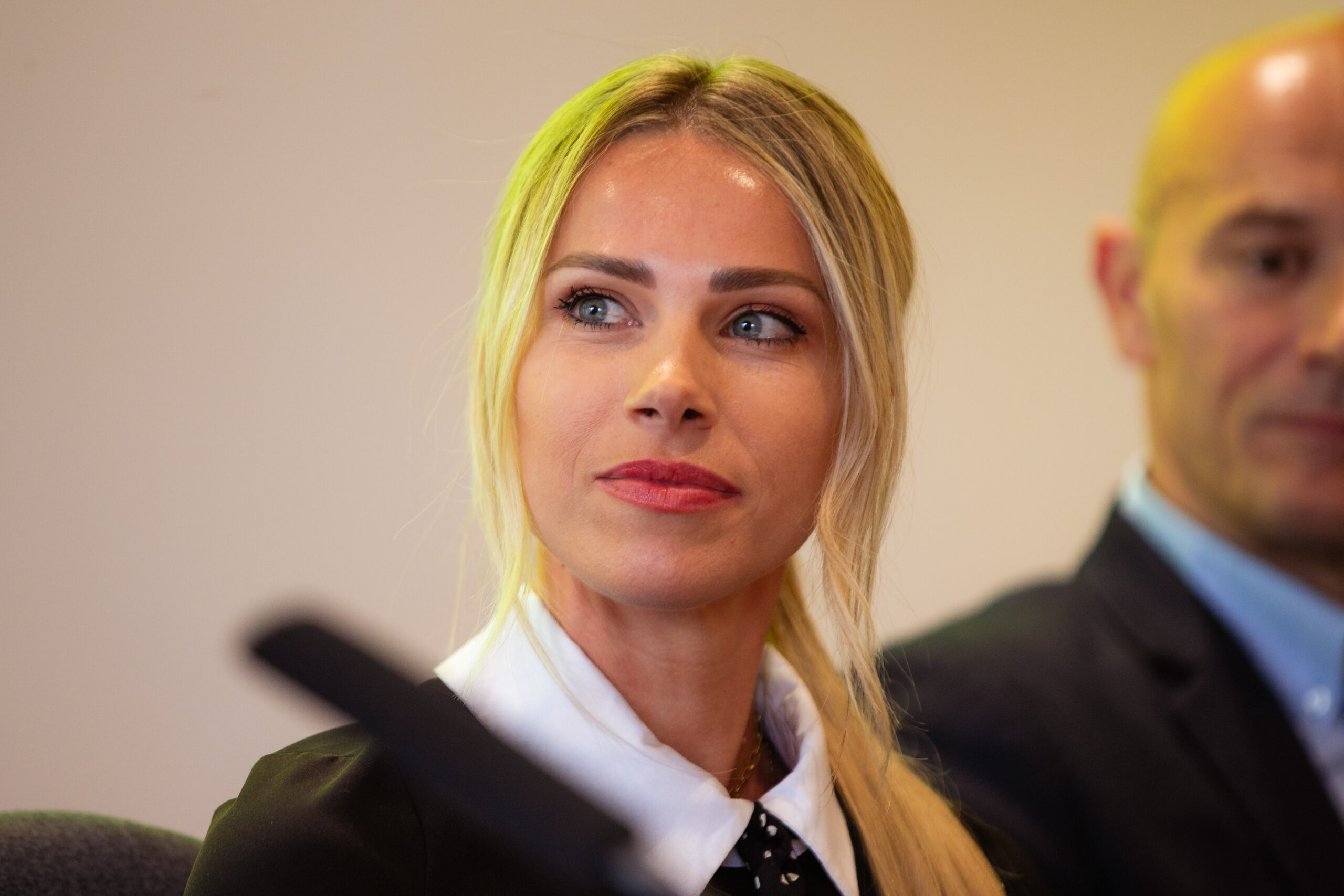
Rousse became director of the revived women’s Tour in 2021, after Christian Prudhomme asked her to lead the project.
She viewed the Tour as the race most capable of bringing women’s cycling to mass audiences. She also saw it as the clearest route toward bigger sponsors and wider recognition.
After the first edition in 2022, Rousse said creating a women’s Tour was not “a gift” to the peloton. Women’s cycling, she argued, had earned that stage.
The pace of change has still surprised her. Rousse said Prudhomme noticed during last year’s race that roadside crowds no longer looked different between the men’s and women’s Tours.
That shift reflects one of her central ambitions. She wants fans to see the Tour de France, rather than separate men’s and women’s products.
Rousse said early spectators often struggled to name riders. Now roadside signs celebrate the peloton, and journalists discuss end-of-season transfers.
Why a three-week Tour de France Femmes remains unlikely soon
Rousse accepts that some fans want a 21-day Tour de France Femmes. She insists the debate needs context.
Only a few years before the revived race began, few women in the peloton earned salaries. Rousse said the Tour must accompany that evolution, not outrun it.
She warned that pushing too quickly could damage the project. The former Grand Boucle Féminine provides a cautionary example, after that earlier women’s Tour disappeared.
Rousse did not rule out adding stages one day. However, she said the race will not move from nine days to 21 “overnight.”
Rousse sees fragile foundations below the top level
Her caution also reflects wider pressure across road racing. In May, The Cyclists’ Alliance warned that women’s cycling was “built on fragile foundations.”
Asked about the health of the sport, Rousse gave a blunt assessment. She said the outlook was bad, and added that men’s racing faces similar issues.
At the top, she considers the men’s and women’s Tours solid. Those races attract the best riders and have resources to operate at the highest level.
Lower down, she sees a more difficult picture. Many races rely heavily on volunteers, while organisation costs continue to rise.
Defining moments for the revived race
Rousse highlighted several moments from the opening editions of the Tour de France Femmes. The Champs-Élysées start in 2022 remains one of her strongest memories.
She also pointed to the four-second margin between Kasia Niewiadoma and Demi Vollering at Alpe d’Huez in 2024.
Ferrand-Prévot’s victory last year gave Rousse another landmark. She described it as the first Frenchwoman’s win in the yellow jersey.
France Télévisions peaked at eight million viewers for that performance. Rousse said it ranked second that year when including the men’s race, behind the Paris stage in Montmartre.
She believes Ferrand-Prévot’s return to road racing helped women’s cycling in France. The Olympic mountain bike champion already had broad public support before her Tour triumph.
Looking ahead, Rousse still believes in Ferrand-Prévot. She also expects stronger challenges from Demi Vollering, Paula Blasi and Marlen Reusser, especially with a time trial in play.