

Peptides for cyclists have become a fast-growing recovery trend, but the science behind many claims remains uncertain.
The products sit at the center of a wider wellness boom. Bodybuilders, biohackers, influencers, and podcast hosts have promoted injectable compounds as shortcuts to faster healing, improved performance, and protection from injury.
The most prominent example is the so-called “Wolverine Stack,” which combines BPC-157 and TB-500. Supporters claim the pairing can speed tissue repair and help athletes train harder with fewer setbacks.
For cyclists managing heavy training loads, tendon pain, or recurring overuse injuries, the appeal is obvious. The problem is that many of these claims remain unproven in human clinical trials.
Peptides for cyclists raise anti-doping and safety questions
Peptides are short chains of amino acids. The body produces some naturally, including insulin and oxytocin. Both play essential roles in blood sugar regulation and childbirth.
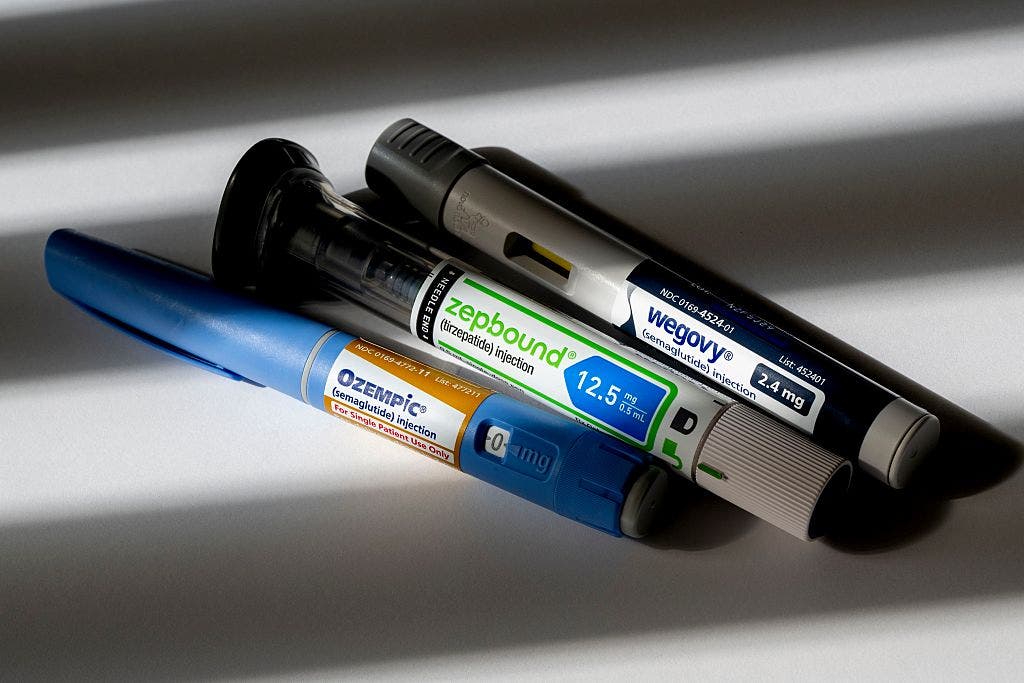
Doctors also prescribe synthetic peptides for established medical uses. Insulin is one example. GLP-1 drugs such as Ozempic, Mounjaro, and Wegovy are another well-known group.
Those approved medicines have gone through regulatory pathways and medical oversight. The recovery peptides now circulating online often sit in a very different category.
BPC-157 and TB-500 are widely marketed through an unregulated grey market. Sellers often label them “for research purposes only,” while consumers can still buy injectable products online.
The World Anti-Doping Agency banned peptides in 2022, putting them off limits for professional athletes. Amateur riders outside testing programs may face fewer formal consequences, but they still face medical uncertainty.
The claims around BPC-157 and TB-500 remain especially attractive to riders. BPC-157 is promoted as supporting healing by encouraging new blood vessel formation. TB-500 is marketed as a signaling molecule for cellular repair.
Those proposed mechanisms have helped drive the hype. Yet long-term effects remain unknown, and researchers have raised theoretical cancer-risk concerns around some peptide use.
Self-injection also brings practical risks. Athletes buying products online cannot easily confirm purity, dosage, or whether the compound was synthesized correctly.
Regulatory changes could increase access
Interest may grow further in the United States after a controversial Food and Drug Administration advisory panel vote in July.
The panel recommended loosening restrictions on six popular peptides, despite expert advice against that move. If adopted, the change could make some peptides easier to access by prescription.
That would not necessarily solve the quality-control problem. Pharmacology insiders have warned that incorrectly synthesized products could still reach consumers, especially through unsanctioned suppliers.
U.S. Health Secretary Robert F. Kennedy Jr. has also said he is “a big fan” of peptides. His comments add political visibility to a market already expanding through wellness and fitness culture.
High-profile promoters helped bring recovery peptides into mainstream discussion. Joe Rogan has praised BPC-157 and the Wolverine pairing, including calling the stack “phenomenal” for injuries.
Those endorsements have pushed the compounds beyond bodybuilding circles. Peptides now appear in celebrity coverage, men’s fitness media, and online performance communities.
Sport has not avoided the trend. Professional athletes across disciplines have served sanctions for peptide use, including triathletes, cross-fitters, and volleyball players.
For cyclists, the central issue remains unchanged. Approved peptide medicines have legitimate roles under medical supervision. Experimental recovery peptides do not carry the same evidence base.
Riders tempted by faster recovery should treat online promises with caution. The current peptide boom offers bold claims, but limited proof and significant unanswered safety questions.